
Fitness
Summer bodies are made in the winter: what hot yoga really does for you
Warm in January, stronger and looser by June. Fast heated flow can be real cardio. The newest and biggest research on hot yoga, and how to tell if it is right for you.
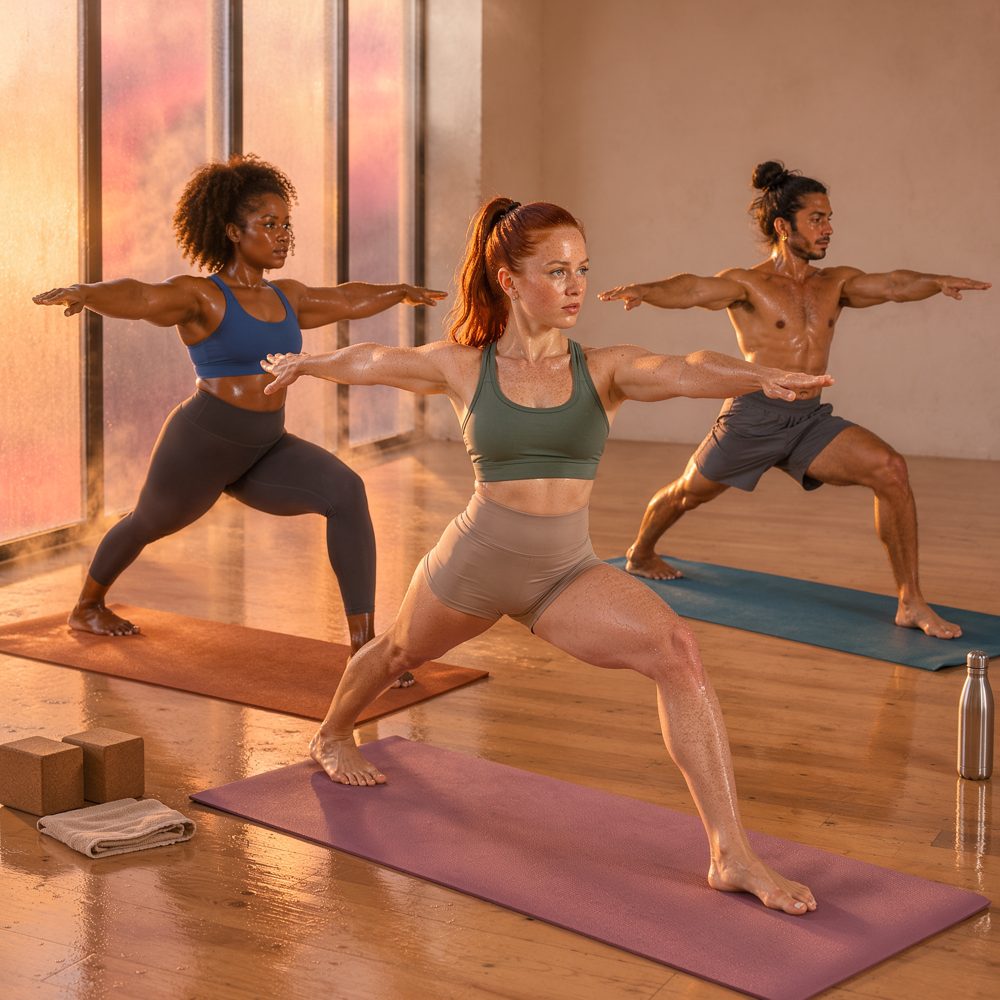
When it is 20 degrees and gray in Columbus, a room at 100 degrees sounds pretty good. And today's hot classes are not all long, slow holds. Heated flow and power classes move fast, link breath to movement and get your heart pounding. For a lot of us it is real cardio, with the stretch built in. Here is what the newest and biggest research actually says.
Yes, it can be cardio
- Fast flow hits cardio zones. In a 2018 study of 27 adults, a 45-minute power yoga class kept people in moderate to vigorous heart rate zones for 78 percent of the class. That was at room temperature.
- Pace is the difference. In a 2023 trial in Frontiers in Physiology, beginners did the same Sun Salutation B sequence three times a week for four weeks. The fast group (1.5 seconds per move) averaged about 93 percent of max heart rate and improved their aerobic fitness. The slow group (3 seconds per move) averaged 67 percent and did not. It was a small study of 20 people, but the message is clear: speed turns yoga into cardio.
- Even slow hot yoga works the heart. In studies of 105-degree Bikram classes, heart rate averaged about 75 percent of max and peaked at 85 to 92 percent.
- One honest catch. Heat raises your heart rate on its own, so a heated class can feel harder than the work your muscles are doing. Researchers note heart rate and oxygen use can drift apart in yoga. Use how you feel and how you breathe, not just your watch.
The biggest review so far (2025)
A systematic review in Sports Medicine - Open pulled together 43 studies with 942 people, mostly women. Longer hot yoga programs were linked to better flexibility, balance, bone density, body composition and blood fats. It also found heated classes did not reliably burn more energy than the same yoga at room temperature.
Here is the part most headlines skip: 74 percent of those studies were Bikram, the slow 26-pose series with long holds. Only 2 percent were vinyasa flow. So the finding that heat does not burn more mostly describes slow, held-pose classes. Fast heated flow has barely been studied yet. The authors also said claims that hot yoga beats other exercise are not yet backed by strong evidence, and many studies were small.
Your mood, class by class (2026)
- The original trial (2023). A Massachusetts General Hospital trial gave 80 adults with moderate to severe depression eight weeks of 90-minute classes at 105 degrees. In the yoga group, 59.3 percent cut their symptoms at least in half, compared with 6.3 percent of people still waiting to start.
- The new follow-up (July 2026). A dose-response analysis in the Journal of Affective Disorders found each extra class lowered depression scores by nearly one point, with no plateau up to 30 classes. More classes, more benefit. People chose how often they went, and there was no unheated comparison group, so the heat's exact role is still open.
Heart and blood vessels
A 2025 University of Sharjah review in Advances in Integrative Medicine found yoga did less for blood vessel function than traditional exercise like cycling or brisk walking. Most of that research was on gentler yoga, so a fast heated flow may land closer to cardio. A mix is still the safest bet: your flow classes plus a walk, a ride or a run.
About sweating out impurities
It feels like a cleanse, and the glow afterward is real. But sweat's job is to cool you down. Your liver and kidneys do the actual detox work, and studies measuring sweat find only tiny amounts of pollutants in it. A 2024 fact check by Science Feedback rated the claim that sweating detoxes the body as unsupported. So come for the strength, the stretch, the warmth and the mood boost, and drink your water.
What it is great for
- staying warm and moving all winter
- flexibility and balance that build week by week
- a reset for your mood and stress
- strength from holding your own body weight
- cardio, when the class moves fast
Who should check first
Talk to your doctor before heated classes if you are pregnant, have a heart condition, high or low blood pressure, diabetes, or a history of heat illness or fainting, or take medication that affects your heart rate, blood pressure or fluids. Start slow either way. A 2015 study found core temperatures climbing past 103 degrees in some regular students during a 105-degree class, and the researchers recommended drinking water freely and giving your body 10 to 14 days to adjust.
Hit. A fast heated flow is cardio, strength and stretch in one warm hour, and the mood research keeps getting stronger. The heat is the bonus; the pace is what makes it a workout.
This is general information, not medical advice.
Sources
- Willmott et al., Hot yoga: a systematic review, Sports Medicine - Open (2025), full text
- Park and Yang, High-intensity interval cardio yoga, Frontiers in Physiology (2023)
- Schubert et al., Heart rate and thermal responses to power yoga (2018)
- Lambert et al., Yoga in the heat and energy expenditure, Intl Journal of Exercise Science (2020)
- PsyPost: More heated yoga means less severe depression (July 2026), Journal of Affective Disorders
- Harvard Gazette: Heated yoga may reduce depression in adults (Oct 2023)
- EurekAlert: Yoga vs traditional exercise for vascular function, Advances in Integrative Medicine (2025)
- Science Feedback: Lack of reliable evidence that sweating detoxes the body (Sept 2024)
- ACE: Bikram yoga and core body temperature (2015)
More stories
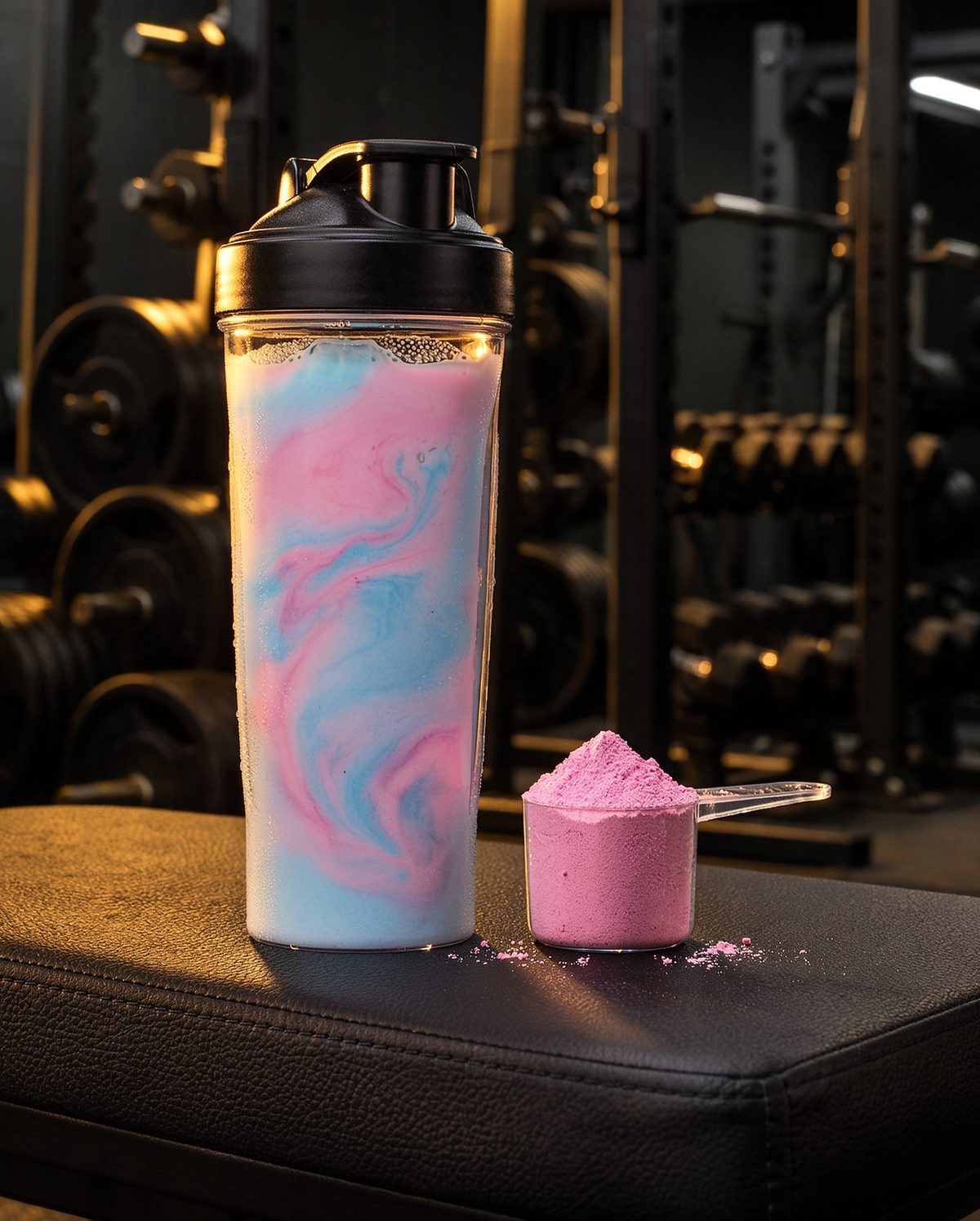
ALLMAX AminoCuts Cotton Candy: what is actually in the scoop
A cotton candy energy drink mix from the Arnold expo, label read line by line, with what the research says about each ingredient.
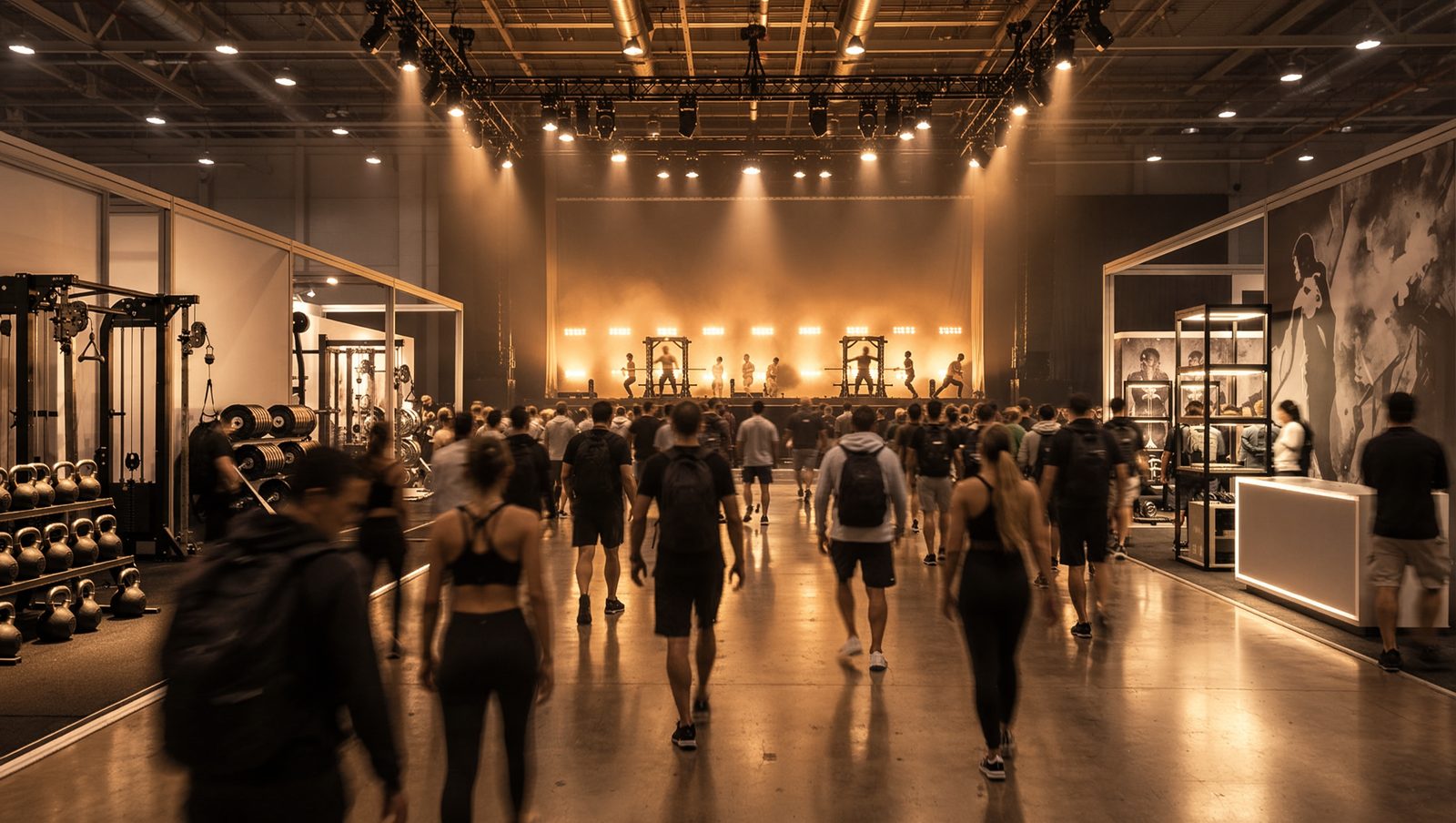
The Arnold comes home every March
The biggest week in strength sports happens in Columbus. Here is what it is, and why the expo floor is where next year's products show up first.
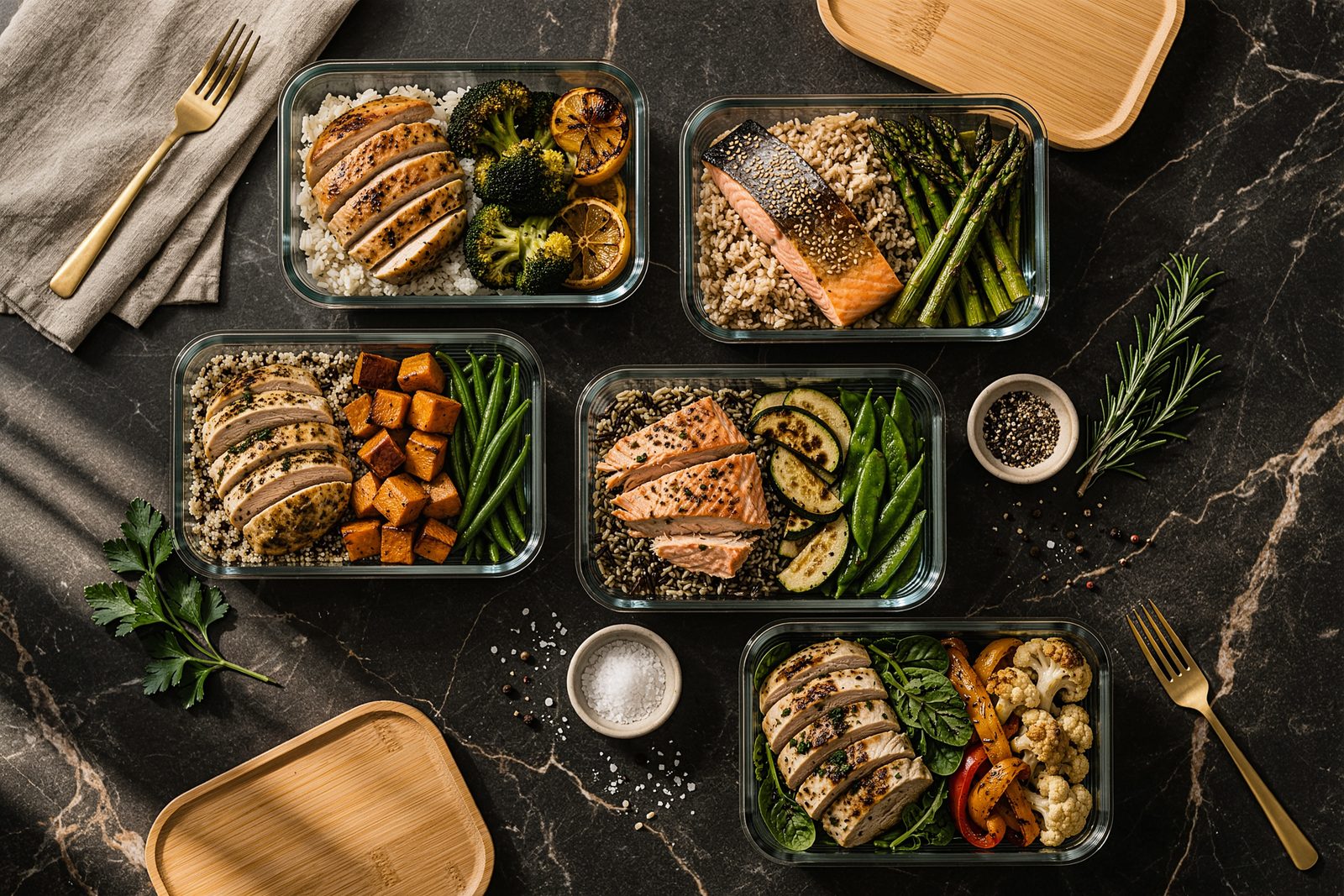
Columbus is eating fresh: new bowl spots and meal prep worth a look
New fast-casual bowls around town, plus two local meal prep kitchens that do the cooking for your week.